
Why Tonsillitis Affects Adults and Children Differently
Tonsillitis is one of those conditions that can make even the simplest tasks like swallowing or speaking feel uncomfortable. It’s a common throat infection that affects both children and adults, but how it presents and how it’s treated can vary significantly depending on age.
In Singapore, where our warm and humid climate encourages the spread of viral and bacterial infections, tonsillitis is a frequent reason people visit an ear, nose, and throat (ENT) specialist. Understanding how tonsillitis differs in adults and children, and when surgery becomes necessary, can help you make informed decisions about your or your child’s health.
Understanding Tonsillitis
What Are the Tonsils and Why Do They Matter?
The tonsils are two small glands located at the back of the throat. They act as part of the body’s immune system, trapping and fighting germs that enter through the mouth or nose. When these glands become infected, they swell and inflame, a condition known as tonsillitis. This infection can be caused by viruses such as adenovirus or Epstein–Barr virus, or by bacteria, most commonly Streptococcus pyogenes (Group A streptococcus).
How It Develops
During infection, the tonsils become enlarged, red, and sometimes covered with white or yellow spots. The inflammation causes a sore throat, pain when swallowing, and fever. While most cases resolve within a week with proper rest and care, recurrent infections can become a persistent issue, especially in school-aged children or adults with lowered immunity.
Tonsillitis in Children
Why Children Are More Prone
Tonsillitis is far more common in children than in adults. Young immune systems are still developing, and constant exposure to viruses in schools and playgrounds increases their vulnerability. The tonsils, being highly active in childhood, frequently become inflamed as they trap invading germs.
Symptoms Parents Should Watch For
Children with tonsillitis often develop a sore throat, high fever, swollen lymph nodes, and visible white patches on the tonsils. Some may complain of ear pain or difficulty swallowing. Bad breath and irritability are also common. In more severe cases, enlarged tonsils can obstruct the airway, causing snoring or pauses in breathing during sleep.
Treatment and Recovery
In most cases, conservative care is enough. Rest, fluids, and throat-soothing measures usually help viral infections clear on their own. If a bacterial infection is confirmed, antibiotics are prescribed. Parents should monitor hydration closely, as painful swallowing can lead to reduced fluid intake. When tonsillitis occurs repeatedly or begins affecting breathing or sleep quality, your ENT specialist may discuss surgical options such as a tonsillectomy.
Tonsillitis in Adults
Why Adults Get It Less Often — But More Severely
By adulthood, the tonsils have a reduced immune role, and most people have built resistance to common viruses. However, adults who do develop tonsillitis often experience more prolonged or severe infections. The tonsils themselves may have become fibrotic from past inflammation, making bacterial infections harder to clear.
Common Symptoms
Adults often report a persistent sore throat that doesn’t improve, fatigue, and pain radiating to the ears. Halitosis (bad breath) is another frequent complaint due to chronic infection within tonsillar crypts. In some cases, abscesses (pockets of pus) can form beside the tonsils, causing significant pain and difficulty swallowing.
Impact on Daily Life
Recurrent tonsillitis can affect productivity, sleep, and social interaction. Adults may find themselves on repeated courses of antibiotics, which provide only temporary relief. At this stage, an ENT specialist may recommend tonsillitis surgery in Singapore as a long-term solution.
Adults vs Children: Key Differences
| Aspect | Children | Adults |
|---|---|---|
| Frequency | Common and often viral | Less frequent but bacterial |
| Severity | Mild to moderate | Often more severe and persistent |
| Complications | Sleep apnea, dehydration | Peritonsillar abscess, chronic |
| Recovery | Quick with proper care | Slower recovery, more postoperative |
| Surgical Consideration | Based on recurrence and obstruction | Based on chronic inflammation and quality-of-life impact |
In children, tonsillitis often improves with time as their immune system matures. For adults, however, recurring or chronic infections tend to be less responsive to medication, making surgical removal more commonly indicated.
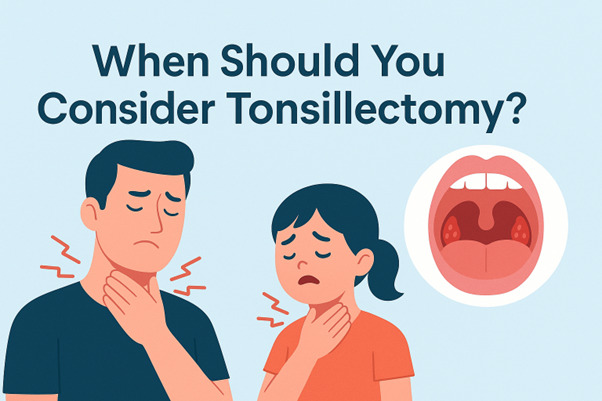
When Should You Consider Tonsillectomy?
Medical Criteria for Surgery
ENT specialists generally recommend tonsillectomy, or surgical removal of the tonsils, when infections are frequent or severe. You may be a candidate for surgery if:
- You’ve had seven or more episodes of tonsillitis in one year.
- You’ve had five or more episodes per year for two consecutive years.
- You’ve had three or more episodes per year for three years.
Beyond these recurrence thresholds, other factors may justify tonsillectomy. These include breathing difficulties due to enlarged tonsils, frequent abscess formation, or persistent bad breath caused by chronic bacterial colonisation.
Singapore Context
In Singapore, ENT specialists often see patients seeking long-term relief after years of repeated throat infections or disturbed sleep due to enlarged tonsils. Tonsillitis treatment in Singapore is tailored to each individual’s needs, taking into account lifestyle, recurrence rate, and overall health. If infections keep returning despite medical therapy, tonsillitis surgery in Singapore may offer a lasting solution.
What Happens During a Tonsillectomy
Pre-Surgical Assessment
Before the procedure, your ENT specialist will perform a full evaluation, which may include a physical examination, medical history review, and sometimes blood tests. This ensures that you’re healthy enough for surgery.
Surgical Techniques
A tonsillectomy is performed under general anaesthesia, meaning you’ll be asleep throughout. Several safe and effective surgical techniques are available, including:
- Electrocautery: Uses heat to remove tonsils and seal blood vessels.
- Cold knife dissection: The traditional method using a scalpel, followed by cauterisation or sutures.
- Harmonic scalpel: Uses ultrasonic vibrations to cut and seal simultaneously.
- Radiofrequency ablation or microdebrider: Modern, precise options designed to minimise tissue damage and bleeding.
The entire procedure typically takes around 20 to 30 minutes.
Post-Operative Care
Tonsillectomy is usually an outpatient procedure, meaning most patients return home the same day. You’ll receive guidance on pain relief, hydration, and diet. Cold fluids, soft foods, and adequate rest are vital for a smooth recovery.
Recovery and Risks

Healing Process
Children tend to recover faster, typically within a week to ten days. Adults may take longer, around 10 to 14 days, and can experience more throat discomfort. Pain is expected during the first few days but can be well managed with prescribed medication.
Possible Complications
Though rare, some risks include bleeding, dehydration, infection, or temporary voice changes. Staying hydrated and following your specialist’s instructions reduces these risks significantly. During recovery, scabs may form over the surgical area and fall off naturally after about a week. It’s important to avoid strenuous activity and hot or spicy foods during this time.
When to See an ENT Specialist in Singapore
If you or your child experiences any of the following, it’s time to see an ENT doctor:
- Frequent sore throats disrupting daily life or schooling
- Snoring or breathing pauses during sleep
- Persistent bad breath even after treatment
- Repeated antibiotic use with limited benefit
- Swelling or pain suggesting a possible abscess
Seeking early professional advice ensures accurate diagnosis and prevents unnecessary complications. Your ENT doctor can help you decide whether continued medical therapy or surgery is the best course of action.
Tonsillitis Treatment and Surgery in Singapore
Singapore offers high-quality, evidence-based ENT care with access to advanced diagnostic tools and minimally invasive surgical options. For most patients, tonsillitis treatment in Singapore begins with conservative measures like rest, hydration, and medication. When infections become recurrent or severe, tonsillitis surgery in Singapore can provide permanent relief. The decision is always individualised, balancing the risks and benefits to ensure optimal outcomes for both adults and children.
Conclusion
Tonsillitis is a common but often misunderstood condition that affects both children and adults differently. In children, it’s usually viral and resolves with simple care. In adults, however, chronic inflammation and bacterial persistence can lead to more significant discomfort and repeated illness.
Surgery isn’t always necessary, but for patients who suffer frequent or severe infections or whose sleep and quality of life are compromised, tonsillectomy can be a transformative solution.
If you’re struggling with ongoing throat problems, visit https://drkhliment.com.sg to schedule an appointment with an ENT specialist in Singapore and determine whether surgical intervention is the right next step. Your throat plays an essential role in everyday comfort and communication, so keeping it healthy should always be a priority.