Understanding Tonsil Stones: Why Expert Care is Essential
Tonsil stones, or tonsilloliths, may seem like a minor inconvenience, but for many, they can cause significant discomfort and recurring health issues. Whether it’s the persistent sore throat or the dreaded bad breath, tonsil stones can affect your daily life. For those facing recurring tonsil stones, it may be time to consult a tonsillitis specialist, especially if you are considering surgery.
In this article, we will dive into what tonsil stones are, their causes, symptoms, and treatments, and why you should consider tonsil stone removal surgery in Singapore. Let’s get started by understanding more about these troublesome stones.
What Are Tonsil Stones?
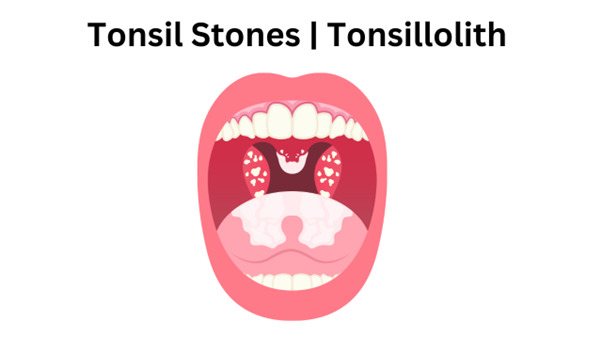
Tonsil stones, medically known as tonsilloliths, are hard deposits that form in the pockets of your tonsils. These stones are made of calcified debris, such as dead cells, mucus, and food particles that get trapped in the tonsillar crypts—tiny crevices on the surface of your tonsils.
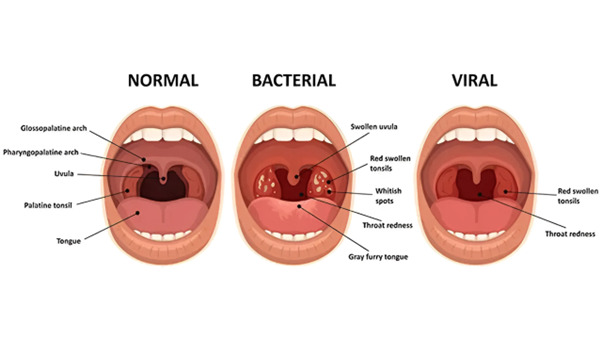
While tonsil stones may be small, they can cause a range of uncomfortable symptoms and lead to other complications if left untreated. Many people who experience recurring tonsil stones often also suffer from chronic tonsillitis, an inflammation of the tonsils. This condition not only increases the likelihood of tonsil stones forming but also worsens their associated symptoms.
Causes of Tonsil Stones
Tonsil stones form when various particles get trapped in the tonsillar crypts and calcify over time. Several factors contribute to their formation:
Debris Accumulation
The most common cause of tonsil stones is the buildup of debris. Food particles, dead cells, and bacteria can get stuck in the tonsil crypts, particularly when the natural cleaning process of the tonsils is disrupted. When these materials accumulate and harden, tonsil stones form.
Chronic Infections
If you frequently experience throat infections or chronic tonsillitis, the inflamed tonsil tissue can make it easier for stones to develop. The more inflamed the tissue, the more likely it is to trap bacteria and debris.
Oral Hygiene
Poor oral hygiene can also play a significant role. When bacteria thrive in your mouth due to inadequate cleaning, they can multiply on the tonsils, exacerbating the formation of tonsil stones.
Dry Mouth
Saliva plays an important role in naturally flushing debris out of the mouth. If you suffer from dry mouth, often due to dehydration or medical conditions, you may be more prone to tonsil stones. Without enough saliva, debris lingers longer in the mouth, increasing the chances of stone formation.
Symptoms of Tonsil Stones
Tonsil stones often go unnoticed, particularly when they are small. However, they can cause several uncomfortable symptoms, depending on their size and location.
Bad Breath (Halitosis)
One of the most common and distressing symptoms of tonsil stones is bad breath. The bacteria trapped in the tonsil stones produce sulfur compounds, which lead to foul-smelling breath that persists despite regular brushing and flossing.
Sore Throat
Tonsil stones can irritate the surrounding tissue, causing a persistent sore throat. This discomfort can feel similar to the soreness experienced during a throat infection, making it difficult to distinguish the two without a professional examination.
Difficulty Swallowing
Larger tonsil stones can cause discomfort while swallowing. You may feel as though something is stuck in your throat, or you may experience pain when consuming food and drinks.
Ear Pain
The nerves in the throat are closely connected to those in the ear. As a result, the presence of tonsil stones can lead to referred pain in the ears, even though the problem is originating from the throat.
Visible White Debris
In some cases, tonsil stones may be visible. You might notice small white or yellowish lumps in the back of your throat, nestled in the tonsils. While small stones might not cause significant discomfort, larger ones are more problematic.
Treatment Options
There are several ways to manage tonsil stones, ranging from home remedies to professional treatments. The approach depends on the severity of the symptoms and how frequently the stones form.
Non-Surgical Treatments
Most tonsil stones can be treated without surgery. Some common non-surgical treatments include:
- Salt Water Gargles: Gargling with warm salt water can help dislodge small stones and reduce throat discomfort.
- Manual Removal: In some cases, patients can remove small tonsil stones on their own using cotton swabs or oral irrigators. However, this should be done cautiously to avoid damaging the delicate tonsil tissue.
- Antibiotics: If the stones are causing an infection, a doctor may prescribe antibiotics to reduce bacterial buildup. Keep in mind that antibiotics do not remove tonsil stones—they only treat the associated infection.
When to See a Specialist
If tonsil stones become a recurring issue, or if the non-surgical methods fail to relieve your symptoms, it may be time to seek professional help. A visit to an Ear, Nose, and Throat (ENT) specialist can provide a more thorough evaluation and tailored treatment plan, especially if you’re considering surgery for more permanent relief.
Tonsil Stone Removal Surgery

For those who suffer from chronic tonsillitis or large, recurring tonsil stones, tonsillectomy—removal of the tonsils—may be the best long-term solution. Tonsillectomy is the only way to permanently prevent tonsil stones from forming.
Types of Tonsillectomy
Tonsillectomy can be performed using several different techniques:
- Traditional Tonsillectomy: This method involves the surgical removal of the tonsils using a scalpel. While effective, this approach can result in a longer recovery time.
- Laser Tonsillectomy: A more modern approach, laser surgery involves using a laser to remove the tonsils. This method generally leads to less bleeding and a shorter recovery period.
- Coblation Tonsillectomy: This technique uses radiofrequency energy to dissolve the tonsil tissue at lower temperatures than traditional methods. It’s known for causing less pain and allowing for a quicker recovery.
Who Needs Surgery?
Tonsil stone removal surgery is generally recommended for patients who suffer from chronic tonsillitis, recurrent large tonsil stones, or severe symptoms such as difficulty swallowing or persistent sore throats. If tonsil stones are affecting your quality of life and other treatments aren’t working, surgery might be the most effective option.
Why See a Tonsillitis Specialist in Singapore?
If you’re considering surgery for tonsil stones, Singapore offers some of the best medical care in Southeast Asia. Here’s why it’s worth seeing a specialist:
Expertise in Chronic Tonsillitis
Tonsillitis specialists in Singapore have extensive experience treating chronic tonsillitis and tonsil stones. These experts can provide an accurate diagnosis and recommend the most appropriate treatment for your condition, ensuring the best possible outcome.
Advanced Surgical Options
In Singapore, tonsillitis specialists have access to the latest surgical techniques, including laser and coblation tonsillectomy. These modern procedures offer less invasive options compared to traditional tonsillectomy, with quicker recovery times and minimal pain.
Comprehensive Care
Seeing a specialist ensures you receive comprehensive, personalized care. Your specialist will address not only the immediate symptoms but also the underlying causes of your tonsil stones, helping to prevent them from returning in the future.
Post-Surgery Care and Recovery
After tonsil stone removal surgery, proper post-operative care is essential for a smooth recovery. Here’s what you can expect:
Post-Operative Care
Following your surgery, your doctor will provide you with detailed instructions for post-operative care. This usually includes guidelines for managing pain, such as taking over-the-counter pain relievers and using ice packs to reduce swelling. You’ll also need to eat soft foods and stay hydrated to promote healing.
Expected Recovery Time
While recovery time can vary depending on the individual and the surgical method used, most people recover within 1-2 weeks. During this time, it’s important to rest and avoid strenuous activity.
Long-Term Outlook
Once your tonsils are removed, you will no longer be at risk of developing tonsil stones. For many people, this means a permanent end to the discomfort and complications caused by these troublesome deposits.
Conclusion
Tonsil stones can be a persistent and painful problem, but they don’t have to be. For those suffering from chronic tonsillitis or recurrent tonsil stones, seeking help from a tonsillitis specialist in Singapore may be the key to finding lasting relief.
Whether you’re exploring non-surgical treatments or considering a tonsillectomy, consulting a specialist will ensure you receive the most effective care. If you’re ready to take the next step towards eliminating tonsil stones for good, book a consultation with a Singapore-based tonsillitis expert today.